|


|
|

|

|

How Bible Teachers Help Bring Scripture to Life for the Next Generation
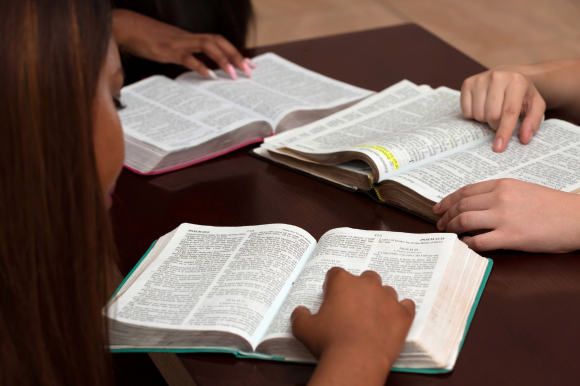
Teaching the Bible to the next generation is one of the most meaningful and important responsibilities in modern ministry.
Bible teachers and pastors dedicate countless hours to helping young people understand Scripture, apply its lessons to everyday life and develop a strong foundation of faith. From preparing lessons and leading discussions to guiding young believers through life’s challenges, ministry leaders play a vital role in shaping the spiritual growth of future generations.
During these busy days of teaching, mentoring, and leading services, many clergy rely on practical and comfortable clergy shirts that allow them to stay focused on their ministry rather than distractions caused by uncomfortable clothing.
Helping Young People Understand Scripture
One of the main roles of Bible teachers is making Scripture accessible and meaningful for younger audiences. While the Bible was written thousands of years ago, its messages remain relevant today.
Skilled teachers help bridge the gap between ancient text and modern life.
This often involves explaining historical context, discussing key themes, and encouraging thoughtful conversation. Many teachers use visual tools such as maps, illustrations and storytelling to help young people understand where events took place and why they matter.
By bringing the stories of Scripture to life, teachers make it easier for young believers to engage with the Bible and remember its lessons.
Creating Engaging and Interactive Lessons
Keeping younger audiences engaged requires creativity and preparation. Bible teachers often design interactive lessons that include discussion questions, group activities and practical examples that connect biblical principles to real-world situations.
For example, a lesson about compassion might involve discussing ways students can help others in their community. A lesson about perseverance might explore the experiences of biblical figures who faced adversity but remained faithful.
Interactive learning not only makes Bible study more enjoyable but also encourages deeper understanding.
When young people actively participate in lessons, they are more likely to remember what they have learned and apply those principles in their daily lives.
Preparing Lessons Behind the Scenes
Although teaching may appear effortless during a class or service, a significant amount of work happens behind the scenes. Bible teachers often spend many hours each week studying Scripture, researching historical context and developing clear lesson structures.
Preparation can involve reading commentaries, reviewing multiple translations of Scripture, and thinking carefully about how to explain complex passages in ways that are both accurate and easy to understand. Many teachers also spend time in prayer and reflection to ensure that their lessons are both meaningful and spiritually grounded.
This preparation helps teachers deliver lessons that are thoughtful, engaging and faithful to the message of Scripture.
Building Relationships with Students
Effective Bible teaching goes beyond simply presenting information. The strongest ministry leaders focus on building genuine relationships with the people they teach.
Young people are more likely to listen and engage when they feel respected, supported, and understood.
Many pastors and teachers take time to speak with students after classes, answer questions, and offer guidance when challenges arise.
Whether it involves encouraging a young person through a difficult season or celebrating their achievements, these relationships play a key role in helping young believers grow in their faith.

Guiding the Next Generation Through Life’s Challenges
Today’s young people face a wide range of challenges, from social pressures and academic stress to questions about identity and purpose. Bible teachers help provide guidance by showing how biblical principles can apply to modern situations.
Scripture offers wisdom on topics such as kindness, honesty, responsibility, and perseverance. When teachers help students see how these principles relate to everyday life, they give young believers tools to navigate challenges with confidence and integrity.
Many ministry leaders also create safe spaces where students feel comfortable asking difficult questions. Honest conversations can help young people develop a deeper and more personal understanding of their faith.
Leading by Example
One of the most powerful teaching tools in ministry is example. Students often learn just as much from observing how leaders live as they do from listening to their lessons.
Bible teachers demonstrate values such as patience, humility, service and compassion through their everyday actions. Whether they are leading a service, volunteering in the community or simply offering encouragement to someone in need, these actions reinforce the lessons taught in Scripture.
Consistency between teaching and behaviour helps build trust and credibility with younger audiences.
The Everyday Practicalities of Ministry
Ministry often involves long and varied days. A typical schedule might include preparing sermons, leading Bible studies, meeting with church members, attending community events and supporting families during important life moments.
Because of these responsibilities, many pastors and ministry leaders value clothing that is both professional and practical. Comfortable, well-designed clergy shirts can help ministry leaders remain presentable while allowing freedom of movement during busy days of teaching and service.
For many pastors, reliable ministry clothing becomes a small but helpful part of maintaining focus throughout demanding schedules.
Inspiring a Lifelong Love of Scripture
Ultimately, the goal of Bible teaching is not simply to provide information but to inspire a lifelong relationship with Scripture. When teachers help young people understand the meaning and relevance of the Bible, they equip them with guidance that can shape their lives for years to come.
By presenting Scripture clearly, encouraging thoughtful discussion and building strong relationships with students, ministry leaders help ensure that the next generation continues to grow in faith and understanding.
The impact of dedicated Bible teachers reaches far beyond the classroom or church service. Their guidance helps young believers develop wisdom, compassion, and a deeper appreciation for the message of Scripture that will stay with them throughout their lives.
Tags: Bible Teachers Faith Foundation Pastoral Guidance Christian Education Interactive Bible Study Ministry Clothing Bible For Teens Faith Mentoring Scripture Lessons Youth Bible Teaching
Kid's Bible Maps
Bible History Online
The Geography of the Bible
© Bible History Online (https://bible-history.com)
Made by Network Local

Kids Bible Maps
About
Us
Contact Us
To
Parents
To
Teachers
Kids Bible Blog
Using Our Maps
Mission
Statement
Doctrinal
Statement
Instructions
Popular Bible Maps
The Journey of Abraham
Moses and the Exodus
Joshua and the Land
The Kingdom of David
The Kingdom of Solomon
Israel in Jesus' Time
Paul's First Journey
The Land of Israel
The Land of Egypt
The Land of Assyria
The Land of Babylon
The Land of Persia
The Land of Greece
The City of Rome
Noah's Ark and Mt. Ararat
The Tower of Babel
The Old Testament World
The New Testament World
Ancient Empires
Moses and the 10 Plagues
Ancient Peoples
The 10 Commandments
The 12 Tribes of Israel
The Ministry of Jesus
Bible Stories with Maps
Daniel in the Lions Den
David and Goliath
Baby Moses
Jesus and the Little Children
Coloring Book Images
Coloring Book
Donkey
Camel
Lamb
Noah's Ark
Noah's 3 Sons
Abraham
Sheep
Lion