|

|
|

|

|

How Archaeology Confirms and Illuminates Biblical History
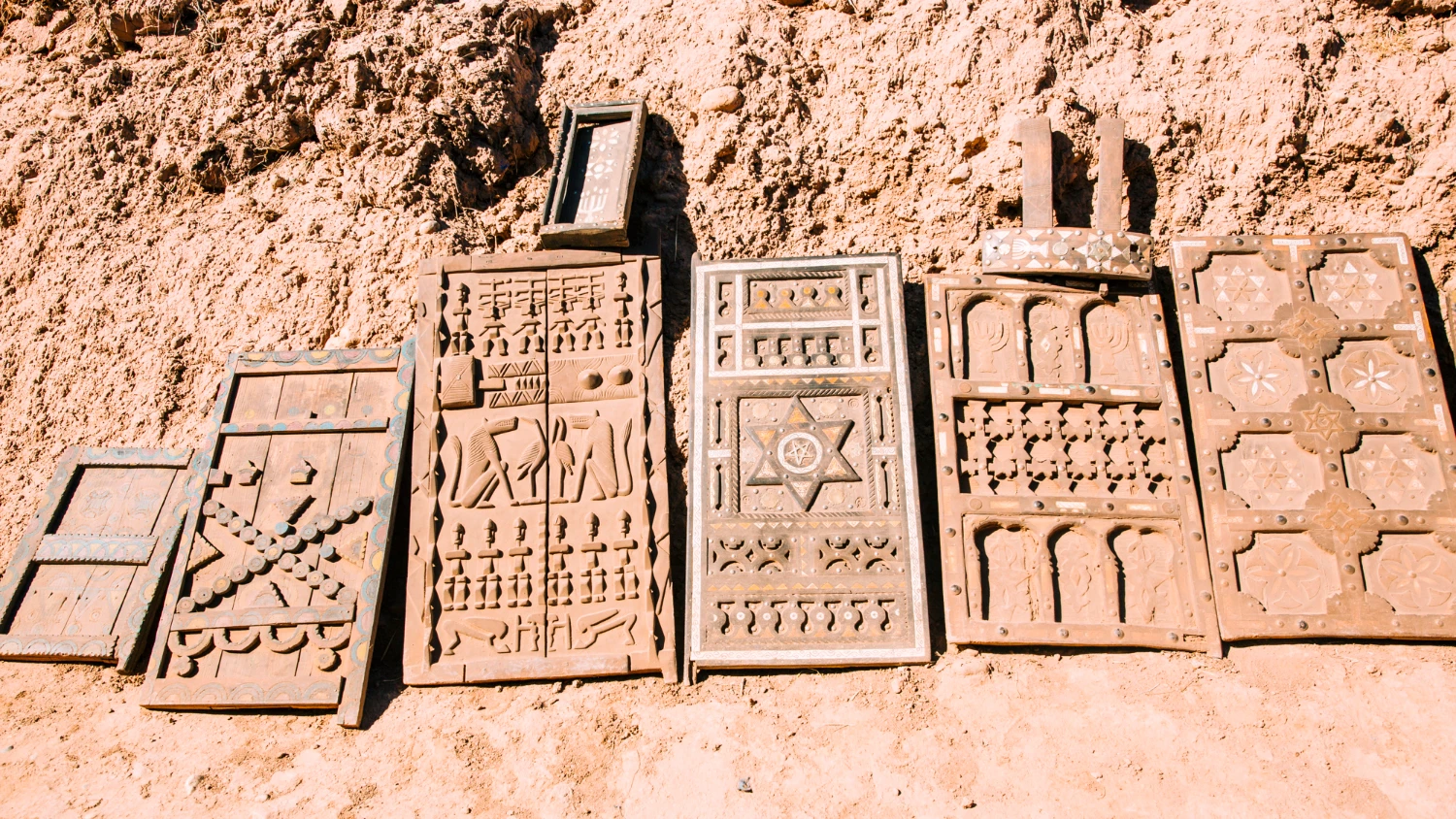
For centuries, the Bible has been both a spiritual guide and a historical record. Yet, until recent decades, many of its stories were considered legendary or unverifiable. Today, archaeology is transforming our understanding of biblical history, uncovering artifacts and sites that confirm and illuminate the events, people, and places described in Scripture. These discoveries not only validate historical accounts but also deepen our appreciation of the biblical world. Modern institutions, such as St. Sophia Cathedral in Miami, continue to honor and preserve this rich heritage, connecting the ancient past with contemporary faith.
The Dead Sea Scrolls: A Window into Ancient Scripture
Discovery and Significance
The Dead Sea Scrolls, discovered in the late 1940s and early 1950s near the Dead Sea, remain one of the most significant archaeological finds related to the Bible. These ancient manuscripts, dating from the third century BCE to the first century CE, include some of the oldest known copies of biblical texts. Their discovery confirmed the remarkable accuracy of biblical transmission over centuries and provided invaluable insights into the religious and cultural context of the time.
Impact on Biblical Studies
The scrolls have revolutionized our understanding of Second Temple Judaism and the development of the Hebrew Bible. They offer direct evidence of the biblical text’s consistency and the diversity of Jewish thought during the period when Christianity was emerging.
The Tel Dan Stele: Confirming the House of David
The First Extra-Biblical Reference to King David
The Tel Dan Stele, a basalt inscription discovered in northern Israel, is the first extra-biblical evidence confirming the existence of King David’s dynasty. Dated to the ninth century BCE, the stele contains the phrase “House of David,” validating the biblical narrative of David’s kingdom and its influence in ancient Israel. This discovery is a cornerstone in the field of biblical archaeology, bridging the gap between scripture and history.
Jericho: The City of Walls and Wonders
Archaeological Evidence of Destruction
Jericho, one of the oldest continuously inhabited cities in the world, is famous for its biblical account of walls that “fell down flat.” Archaeological excavations have revealed layers of destruction and burning consistent with the biblical narrative. The absence of significant occupation layers for centuries after its destruction aligns with the biblical curse placed on the city, providing compelling evidence for the historicity of the account.
The Cyrus Cylinder: A Testament to Biblical Prophecy
The Edict of Cyrus and the Return of the Exiles
The Cyrus Cylinder, an ancient clay artifact, corroborates the biblical account of Persian King Cyrus the Great’s decree allowing the Jewish exiles to return to Jerusalem and rebuild the Temple. This discovery not only confirms a pivotal event in biblical history but also demonstrates the intersection of political and religious narratives in the ancient Near East.
Recent Discoveries: Illuminating the Biblical World
The Church of the Holy Sepulchre and Beyond
Recent excavations beneath the Church of the Holy Sepulchre in Jerusalem have uncovered new details about the traditional burial site of Jesus Christ. These findings, along with discoveries of early Christian monastic complexes and Byzantine settlements, provide fresh perspectives on the spread of Christianity and the historical context of biblical events.
The Diaspora Revolt and New Insights
Archaeological research on the Diaspora Revolt, particularly on the island of Cyprus, has shed light on lesser-known biblical events. These discoveries help historians reconstruct the social and political landscape of the first and second centuries CE, offering a more nuanced understanding of the biblical world.
St. Sophia Cathedral in Miami: Preserving Ancient Traditions
While not an archaeological site, St. Sophia Cathedral in Miami embodies the living legacy of biblical history. Founded in 1927, the cathedral’s Byzantine architecture, imported marble, and mosaic icons reflect the artistic and spiritual traditions of early Christianity. Its history and cultural involvement in South Florida serve as a modern testament to the enduring influence of biblical narratives and the ongoing relevance of archaeological discoveries.
Archaeology continues to play a crucial role in confirming and illuminating biblical history. From the Dead Sea Scrolls to the Tel Dan Stele, from Jericho’s ancient walls to the Cyrus Cylinder, each discovery enriches our understanding of the people, places, and events described in the Bible. Institutions like St. Sophia Cathedral in Miami further bridge the gap between the ancient world and modern faith, ensuring that the stories and traditions of the Bible remain vibrant and meaningful for future generations.
Tags: Biblical archaeology Teaching Bible history Bible history Dead Sea Scrolls Ancient Near East Archaeological Discoveries St. Sophia Cathedral Miami Church of the Holy Sepulchre Cyrus Cylinder Jericho Archaeology Tel Dan Stele
Kid's Bible Maps
Bible History Online
The Geography of the Bible
© Bible History Online (https://bible-history.com)
Made by Network Local
Kids Bible Maps
About
Us
Contact Us
To
Parents
To
Teachers
Kids Bible Blog
Using Our Maps
Mission
Statement
Doctrinal
Statement
Instructions
Popular Bible Maps
The Journey of Abraham
Moses and the Exodus
Joshua and the Land
The Kingdom of David
The Kingdom of Solomon
Israel in Jesus' Time
Paul's First Journey
The Land of Israel
The Land of Egypt
The Land of Assyria
The Land of Babylon
The Land of Persia
The Land of Greece
The City of Rome
Noah's Ark and Mt. Ararat
The Tower of Babel
The Old Testament World
The New Testament World
Ancient Empires
Moses and the 10 Plagues
Ancient Peoples
The 10 Commandments
The 12 Tribes of Israel
The Ministry of Jesus
Bible Stories with Maps
Daniel in the Lions Den
David and Goliath
Baby Moses
Jesus and the Little Children
Coloring Book Images
Coloring Book
Donkey
Camel
Lamb
Noah's Ark
Noah's 3 Sons
Abraham
Sheep
Lion